







Search Results for: detachable petals
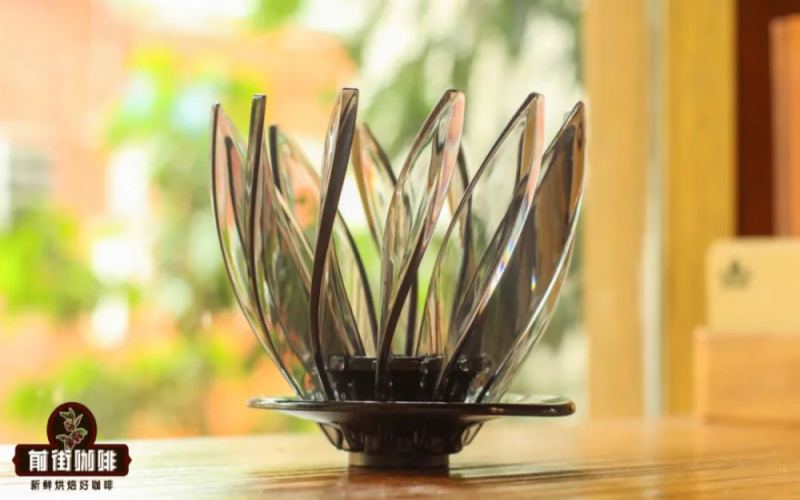
Hario Water Lily Dripper vs V60: The Removable Petals, Flow Rate Performance, and Brewing Tips
The Hario V60 Mugen dripper is composed of a detachable 12-blade and base assembly, completely different from the common one-piece drippers. The resin material is heat-resistant and shatterproof, and the blade colors can be freely mixed and matched. It has no cup wall, and the filter paper is supported entirely by the blades, which serve both as a skeleton and as flow guides. In actual testing, the average flow rate after filling with water is about 8ml/s, faster than Kono but slower than the V60's 10ml/s, placing it in the medium-fast range. However, the longer blades raise the pouring height and increase the impact force, making it prone to over-extraction with doses under 20g; it is better suited to 20g or more with an 02-size filter paper. Front Street Coffee also found that removing the blades unlocks a variety of brewing methods, including single-serving setups. [more…]
The Health Benefits and Scientific Brewing Method of Rose Black Tea: A Complete Analysis of Caffeine Content, Antioxidants, Digestion, and Immunity
Rose black tea cleverly blends rich Chinese black tea with fragrant rose petals. It can serve as a gentle morning pick-me-up, a soothing afternoon relaxant, or a base for milk tea or lattes. This organic tea has a smooth taste and is enjoyable both plain and with a small amount of milk and sweetener. This article provides a comprehensive analysis of the factors affecting the caffeine content of rose black tea, such as tea variety, water temperature, steeping time, and floral ingredients, and details its health benefits in areas including antioxidant effects, improved digestion, energy enhancement, anti-inflammation, stress relief, vitamin C supplementation, and immune support. We will also share practical guides for hot brewing and cold brewing, and recommend related products from Front Street Coffee to help you better enjoy this beverage that combines floral fragrance and tea character. [more…]
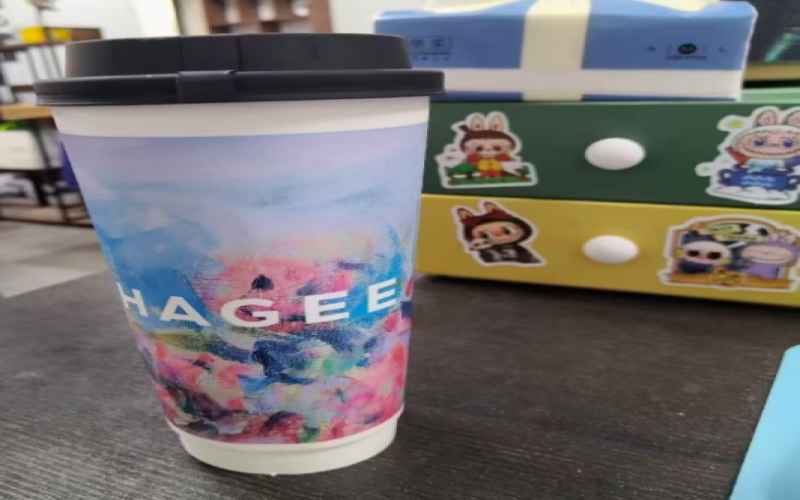
CHAGEE's Valentine's Day limited edition "Among the Roses" is criticized for lacking rose flavor, with consumer reviews sharply divided.
During Valentine's Day, major chain beverage brands have been launching rose-themed products one after another. Chagee, in collaboration with the Museo Nacional Thyssen-Bornemisza in Spain, launched a limited-edition drink called "In the Rose Bushes," inspired by Monet's painting "The House Among the Roses." However, after consumers tried this highly anticipated new product, it suffered a reputational downturn—many reported being unable to taste the rose flavor, and even compared it with the brand's classic products "To Yunnan" and "Boyajuexian," questioning whether it lived up to its name. Staff countered by showing the rose petal tea buckets in the back kitchen to prove their innocence, and suggested that customers seeking a rose aroma should instead choose "To Yunnan." A discussion about rose flavor and product naming thus unfolded. [more…]
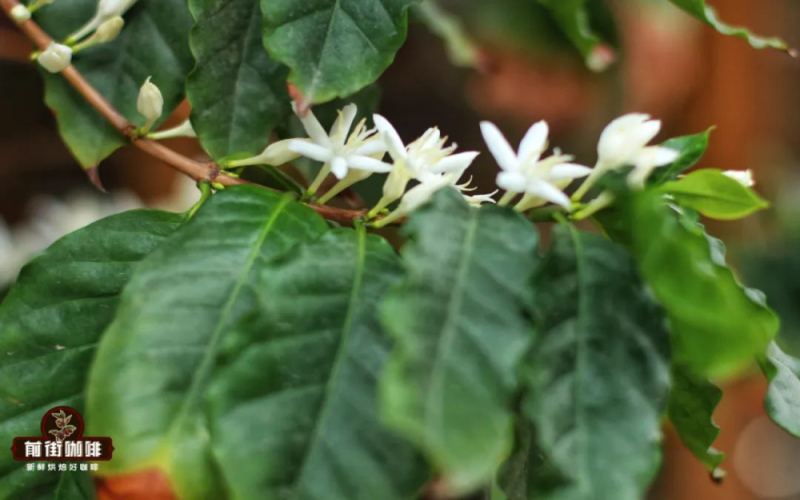
Coffee flowers come in pink as well as white? Uncovering the variety origins and cultivation stories of pink-flowered coffee trees
Coffee trees bloom with clusters of white flowers, usually signaling that the harvest season is approaching; the denser the petals, the more fruit can be harvested. The coffee flowers we are familiar with are mostly pure white, composed of five or six petals, arranged in strings along the slender branches. Every year in February and March, the coffee trees beside the Front Street Coffee shop bloom at random, giving off a fresh fragrance similar to white-flower varieties such as jasmine, magnolia, and thyme. But did you know that in extremely rare cases, coffee trees can actually produce pink flowers? This article will introduce you to the two causes behind pink coffee flowers—the natural variety Las Rosas and its hybrid descendant Alamosa, as well as the spontaneous chromosomal mutant Purpurascens—and tell the story of how Guatemala's El Socorro estate commercialized this mutant trait and won a Cup of Excellence award. [more…]
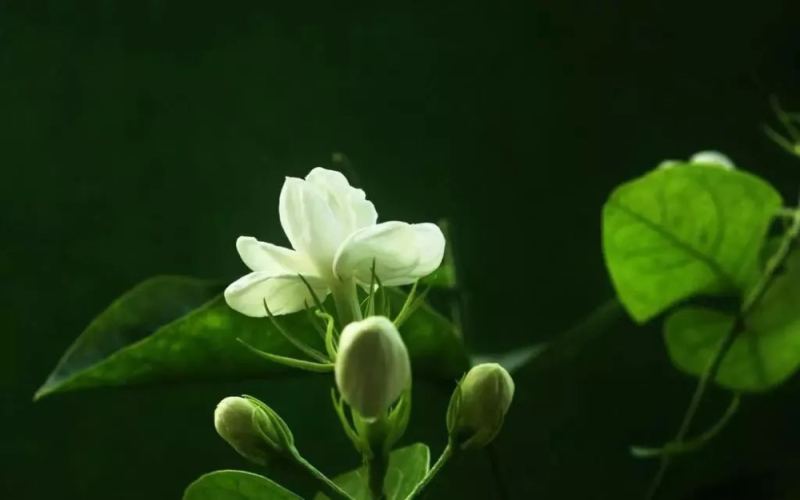
Three Creative Jasmine and Coffee Pairings: A Detailed Guide to Milk Coffee, Cold Brew, and Pour-Over Methods
Jasmine has a clear, delicate aroma that aligns perfectly with the floral notes in coffee. Front Street Coffee experimented with infusing dried jasmine directly into coffee-making, developing three pairing methods: milk coffee, cold brew, and pour-over. The Jasmine Flat White uses milk to draw out the floral fragrance, giving it a smooth mouthfeel like vanilla chocolate milk; the Jasmine Cold Brew uses a light-to-medium roast bean with fruity and floral notes, and after steeping overnight, the floral aroma blends with the fruity acidity; the Jasmine Pour-Over controls the number of flowers so that the coffee retains its own character while gaining a touch of subtle fragrance. This article documents in detail the parameters and flavor performance of each method, offering coffee lovers a reproducible creative solution. [more…]
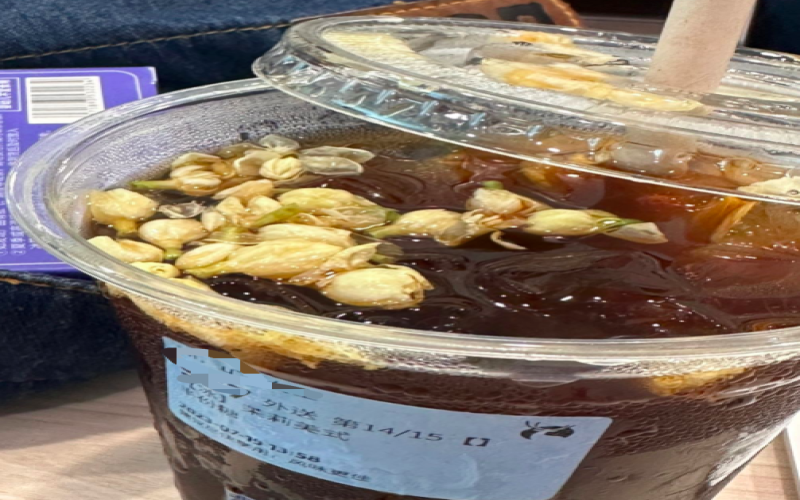
Luckin Jasmine-Scented Americano Relaunched, Intense Jasmine Aroma Sparks Divided Opinions
Last summer, Luckin Coffee launched a jasmine Americano that was hastily taken off the menu just four days after its debut, sparking plenty of speculation. Now this tea-coffee hybrid has returned under the name "Jasmine Aroma Americano," still made with a blend of double-petal jasmine tea infusion from Hengzhou, Guangxi, and coffee liquid, but without the dried jasmine flowers that once garnished the cup. The relaunched product quickly set off a check-in craze, with endless discussion on social media. Some praise its rich floral aroma and find it smoother than last year's version, while others complain it tastes too heavily of artificial flavoring, like something you'd smell in household products. Is this tea-coffee drink—"all aroma, no flower"—a sincere comeback or just a pale imitation? Let's take a look at the real feedback from the first wave of tasters. [more…]

Introduction to Latte Art for Espresso: Master the Four Core Techniques of Height, Posture, Flow, and Control
Creating exquisite patterns on the surface of espresso is not out of reach, but the fluid dynamics when milk and coffee liquid meet truly require careful study. This article breaks down latte art techniques into four key elements: height, posture, flow rate, and control, helping coffee enthusiasts master the essentials step by step. From the initial height of pouring milk foam to the subtle swinging of the pitcher spout, from precise control of flow rate to the rhythmic variations of different patterns, each step is accompanied by specific operational instructions. The article also specifically mentions relevant product information from Front Street Coffee, providing readers with practical references. Whether you want to make a classic heart shape or challenge the Rosetta and tulip, these basic exercises are worth repeated study. [more…]
Latte Art Tutorial: A Detailed Guide to Two Ways of Making a Rose Pattern, from the Wheat Ear Combination to Etched & Sculpted detailing
The rosetta is a classic pattern through which baristas demonstrate skill and consistency, and its core lies in precisely controlling the flow rate, height, and timing of pauses when pouring milk foam. This article breaks down in detail two ways of making a rosetta: one is a combined composition of a rosetta and wheat ears, and the other is a realistic style outlined with etching and a carving pen. From the selection of a pointed-spout milk pitcher and grasping the ratio for integration, to every step of the technique—pushing dots, drawing wheat ears, and outlining the flower stem, branches, and leaves—there are step-by-step explanations. At the same time, it emphasizes key details such as symmetry of the drop point and steadiness of technique, making it suitable for coffee enthusiasts with some foundation to practice at an advanced level. Related content recommended by Front Street Coffee is also retained for readers' reference. [more…]
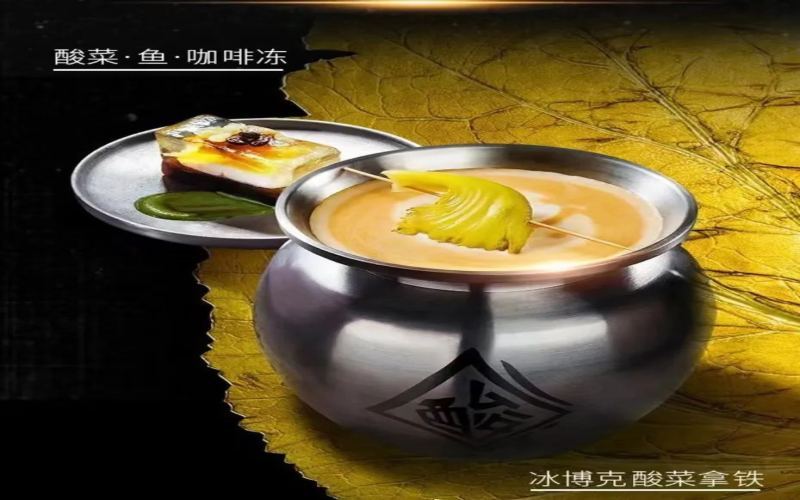
Tai Er Sauerkraut Fish launches new coffee products? Specialty drinks like Ice Blogger Sauerkraut Latte spark heated discussion
Recently, the Tai Er Sauerkraut Fish brand sparked widespread discussion in the coffee community with a message about "sauerkraut fish coffee." The brand claimed to launch "Tai Er Coffee Company" and introduced the world's first sauerkraut fish version of coffee, including special creations such as "Ice Blog Sauerkraut Latte" and "Sauerkraut · Fish · Coffee Jelly." The article described in detail the preparation methods of these creative drinks, such as grinding coffee beans in the way of chopping ingredients, and the "Opening Sour and Refreshing Iced Americano" with chrysanthemum petals and chili added. In addition, it mentioned products combining snacks with coffee, such as "Wasabi Shrimp Cappuccino" and "Beat Ex Ice Jelly Cold Brew." However, these special creations were not for sale and were just an April Fools' joke. The article also explored creative packaging for drip coffee bags and reminded readers that sauerkraut and milk should not be consumed together. Finally, it introduced brand information about Front Street Coffee, providing a professional communication channel for coffee enthusiasts. [more…]
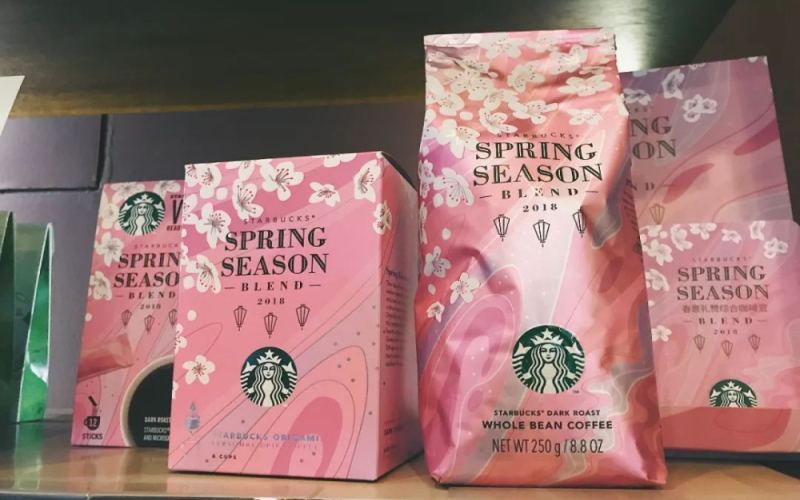
Starbucks Spring Day Blend Coffee Beans: From the Cherry Blossom Meaning on the Packaging to the Flavors of Four Origins and Brewing Suggestions
Starbucks' annually spring-limited Spring Blend whole bean coffee is a medium-roast coffee that blends the characteristics of four producing regions. This article begins with the evolution of its packaging design—from elaborate cherry blossoms to simple pale pink—then delves into the flavor contributions of Colombia, Sumatra, Papua New Guinea, and Ethiopia, and finally offers practical brewing parameters for grind size and water temperature. For coffee lovers who enjoy exploring the layered complexity of blends, this coffee offers both a springtime image and solid performance in the cup. [more…]
A Complete Guide to Coffee Flowering: From Bud Development to Full Bloom, Understanding Blooming Habits and Appreciation Points
In early spring, the creamy-white flowers that bloom on coffee trees are not only elegant in form and rich in fragrance, but also hold many fascinating botanical characteristics. This article walks you through the structure of coffee flowers, their flowering habits, and the differences in flowering periods among various varieties. It also explains why drought or low temperatures can cause star-shaped flowers to appear, and how irrigation can increase the proportion of normal flowers. Whether you are a coffee enthusiast or a grower-observer, you will gain practical knowledge about appreciating and cultivating coffee flowers. [more…]
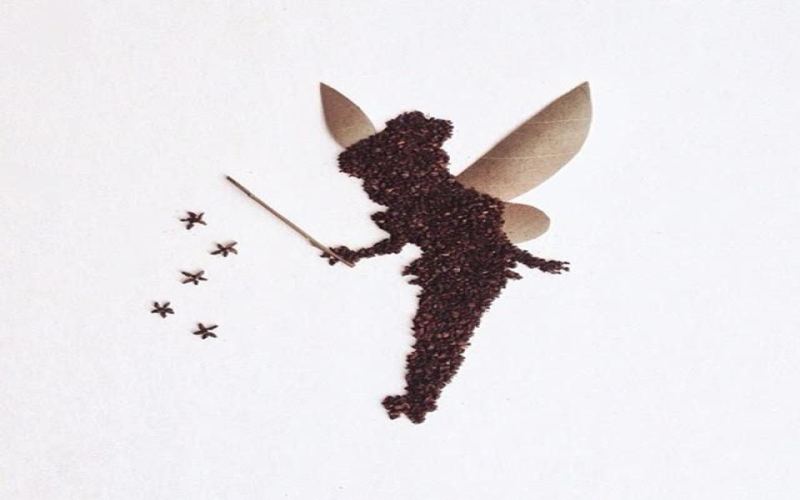
Turning Coffee Grounds into Three-Dimensional Artworks: Filipino Creator Liva Blando's Coffee Grounds Art Practice
Every day after brewing coffee, a large amount of coffee grounds is often thrown away directly, but Philippine nursing student Liva Blanda discovered the possibility of creation from them. Inspired by her father's coffee-drinking habit, she turned coffee grounds into wonderful and lovely paintings, some of which even have 3D effects. Her creation requires not only creativity but also carefulness and patience: first sketch with a pencil, then use a small bamboo stick to move the coffee ground particles into the corresponding positions, and finally add real objects such as twigs, leaves, or petals to complete the key step. To extend the preservation time, Liva also uses glue to fix them, which increases the difficulty but also makes the works more stable. Her practice reminds us that as long as we carefully observe life and consult our elders, seemingly discarded items can also be reasonably used, adding enjoyment to daily life. [more…]

How to Choose a Home Espresso Machine? What Coffee Beans and Brewing Process to Pair with De'Longhi, Gemilai, and Philips
Thinking about adding an espresso machine to your home but not sure where to start? This article covers the practicality of home espresso machines, the characteristics of mainstream brands, key purchasing considerations, and coffee bean pairings. It includes positioning and price references for common models from De'Longhi, Philips, EUPA, Gemilai, and others, along with beginner-friendly Front Street espresso bean recommendations and a complete espresso brewing process. Whether you're just getting started or preparing to upgrade your equipment, you'll find practical answers here. [more…]
A Comprehensive Guide to Coffee Flowers: From Morphological Characteristics and Blooming Habits to the Benefits and Effects of Drinking Them as a Tea
The blooming of the coffee tree is an extremely fascinating stage in the coffee growth cycle. Every spring, creamy-white flowers adorn the branches, looking especially delicate against the backdrop of downward-drooping green leaves, with a rich fragrance that is intoxicating. However, the coffee flowering period is very brief; from flower bud differentiation to blooming, and then to bearing fruit, every step is deeply influenced by variety and environmental conditions. Coffee flowers not only have rich morphological characteristics and unique flowering habits in botanical terms, but people also often dry coffee flowers and steep them in water to drink, believing they have specific health benefits. This article will take you through a systematic understanding of the morphological structure of coffee flowers, the flowering patterns of different varieties, the differences between star-shaped flowers and normal flowers, and the benefits of drinking coffee flower infusion, while interspersing coffee flower appreciation images to help coffee enthusiasts fully understand this flower hidden behind the coffee cup. [more…]
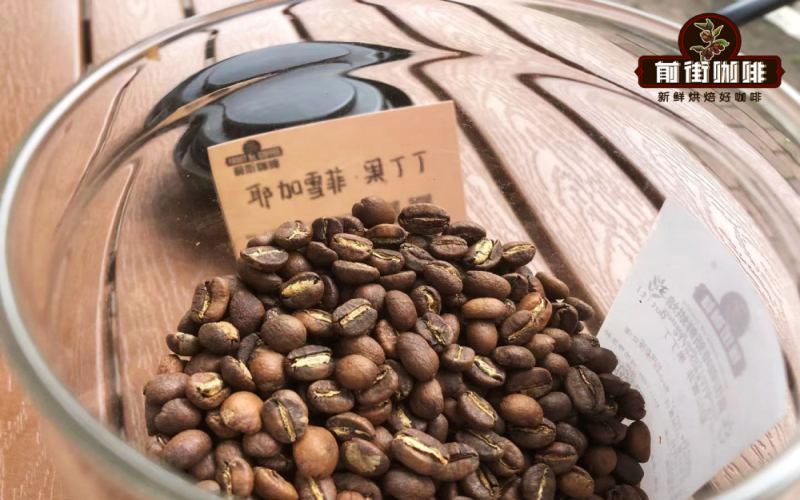
Yirgacheffe Gedeb Natural Coffee Bean Flavor Analysis and Pour-Over Parameter Sharing
Front Street Coffee offers over 200 types of coffee beans and continuously updates them. This article focuses on Yirgacheffe natural Gedeb. The Gedeb cooperative is located in the Worka production area at the southeastern end of Yirgacheffe. It became independent from the Worka cooperative in 2012, has about 300 farmers, and is called the last pure land of Yirgacheffe, continuing to use traditional natural processing. The cupping notes show dry aromas of peach, sweet orange, and white petals; on the palate there are strawberry, lychee, citrus acidity, and sucrose sweetness, with a medium body and a long floral finish. The article also provides V60 pour-over parameters and extraction methods, and introduces the background of the Gedeb micro-region. [more…]
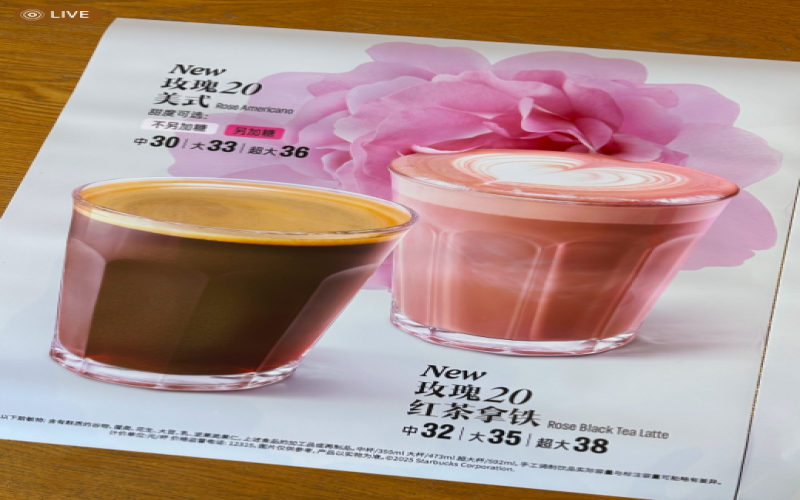
Starbucks Valentine's Day merchandise quality control goes off the rails: rose drinks get mixed reviews, bouquet teddy bear's sloppy looks draw complaints
On the eve of Valentine's Day, Starbucks as usual launched its Rose 20 series drinks and a limited-edition bouquet-holding bear charm. However, reactions this season have been sharply polarized: on the drinks side, the new items use an extract from double-petaled roses, and the sugar-free formula had some consumers praising the natural floral aroma, while others said the scent was too intense and hard to accept; on the merchandise side, the bouquet-holding bear charm drew widespread complaints over quality-control issues, with flaws such as crooked eyes and mouth, a single eye, and multiple ears appearing frequently, leaving many fans who ordered it for its cute look deeply disappointed. What has upset longtime customers even more is that this is already Starbucks' second plush merchandise flop in a short period; the rabbit plush that previously came with a ceramic cup was also widely mocked for its uneven appearance. Will a string of quality problems affect the brand's reputation in the merchandise market? This article will take you through the whole story. [more…]
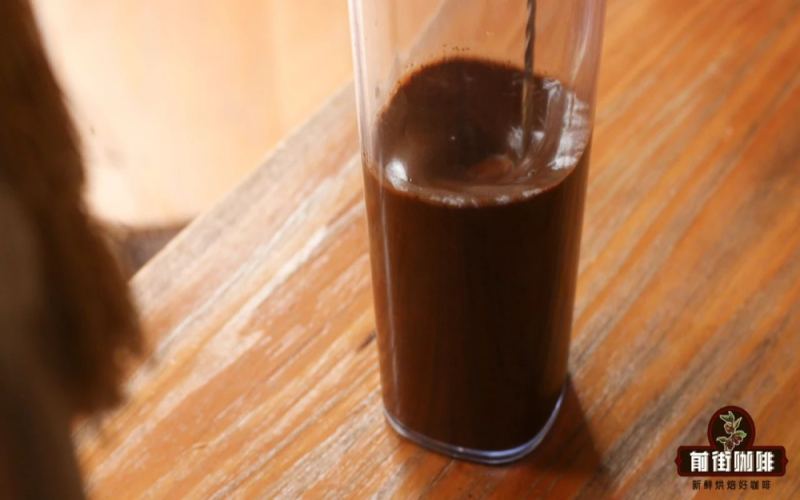
How to Choose Coffee Beans for Cold Brew? From Roast Level to Processing Method, Front Street Teaches You to Lock in Your Ideal Beans by Flavor
Cold brew coffee, through its low-temperature slow extraction process, reduces the presence of acids and the volatilization of aromas, resulting in a fuller, more balanced flavor. But with such a dazzling array of coffee beans to choose from, how should you make your selection? This article analyzes the cold brew performance of different beans one by one, from floral and fruity profiles to specific flavors to medium-dark roasts, and recommends specific products such as Front Street Coffee's Little Tomato, Front Street Coffee's Huakui, and Front Street Coffee's PWN Golden Mandheling. In addition, it shares a tip for adding dried flower petals, giving cold brew coffee a delicate floral note within its single-origin flavor. Whether you prefer bright fruit acidity or the rich depth of chocolate, you can find a cold brew bean solution that suits you. [more…]
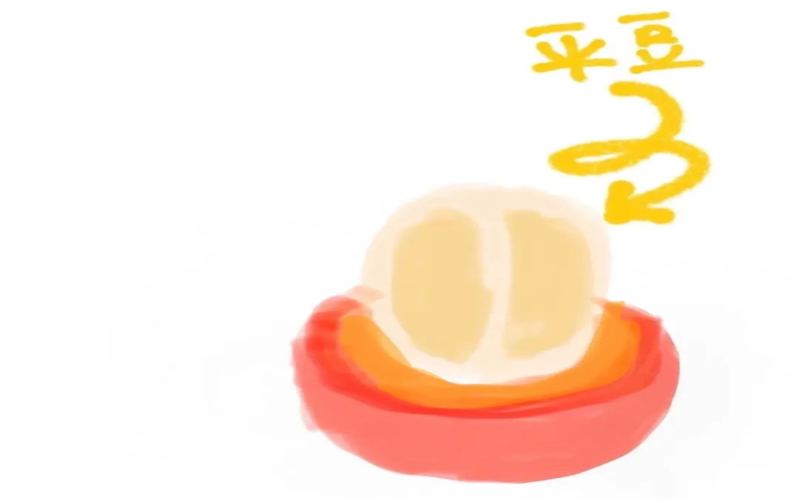
A Single Coffee Cherry Hiding Seven Beans? Exploring the Past and Present of the Multi-Seed Arabica Mutant Variety
The coffee fruit we're familiar with usually contains only two flat beans growing face to face, and the occasional appearance of a single round bean is already considered rare. But nature always breaks the rules—there is a type of coffee fruit that can nurture three, five, or even seven coffee beans, shaped like orange segments or garlic cloves. This multi-seeded coffee, named Café Polysperma, is a mutant variety of Typica, carrying Arabica lineage, with records dating back as early as 1890. Its flavor is not outstanding, but it possesses valuable leaf rust resistance genes and has been introduced into the germplasm bank of Minas Gerais, Brazil, for protection and research. Today, let's take a closer look at this little-known variety, which could be called the "alien" of the coffee world, to see just how special its flowers, fruits, and beans are, and also touch on Front Street Coffee's commitment to specialty beans. [more…]
Cold Brew Coffee Bean Selection Guide: A Complete Analysis of Single-Origin Coffee Bean Flavor Pairings and Creative Recipes
In recent years, cold-drip and cold brew coffee made through low-temperature extraction have become increasingly favored by coffee enthusiasts, but which beans to choose, what equipment to use, how long it can be stored, and how to drink it creatively are all questions people care about. Based on Front Street Coffee's practical experience, this article provides a detailed overview of the extraction principles of iced coffee, equipment selection, single-origin bean recommendations suited to different flavors, the impact of chilled fermentation on taste, creative drinking methods such as adding dried flower petals, and safe refrigeration storage limits, helping you make a cup of outstanding iced coffee at home. [more…]
Yunnan Small-Bean Coffee: Origin Environment and Flavor Analysis — From Botanical Characteristics to Quality Grading
Yunnan, as China's most important coffee-producing region, nurtures outstanding quality Arabica coffee thanks to its subtropical mountain climate south of the Tropic of Cancer and its fertile plateau red soil. This article systematically reviews the introduction history, main cultivated varieties, producing region distribution, and flavor characteristics of Yunnan coffee, and provides a detailed introduction to the botanical features—roots, stems, leaves, flowers, and fruit—of Arabica coffee as well as its grading standards. Whether you are a coffee enthusiast just starting out or a seasoned player hoping to gain a deeper understanding of the past and present of Yunnan beans, you can gain from it a complete understanding of the relationship between this land and coffee, while also seeing Front Street Coffee's continued attention to and recommendations for Yunnan coffee. [more…]